What Are the Applications of Medical-Grade PEEK Implants?
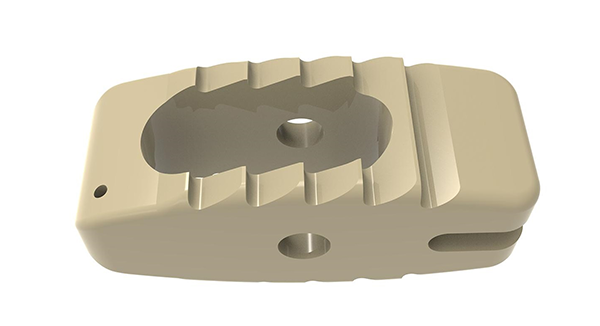
In the context of rapidly advancing modern medical technology, medical-grade PEEK (Polyetheretherketone) is reshaping the landscape of medical implants with its exceptional performance. This high-performance polymer, with its unique combination of advantages, is gradually replacing traditional metal implants in various medical fields, providing patients with safer and more comfortable treatment experiences.
Characteristics of Medical-Grade PEEK
The outstanding success of medical-grade PEEK in the field of implants stems from its remarkable physical and chemical properties. The elastic modulus of PEEK is very close to that of human bone, effectively avoiding the stress shielding effect commonly associated with traditional metal implants. This helps reduce the risk of bone density loss in adjacent tissues due to insufficient mechanical stimulation. At the same time, PEEK exhibits excellent biocompatibility, remaining in the body long-term without causing rejection reactions, thereby offering a higher level of safety for patients.
Another major advantage of PEEK is its imaging compatibility. Its good radiolucency allows physicians to clearly observe the integration between the implant and surrounding tissue in postoperative imaging, facilitating long-term monitoring and evaluation of treatment outcomes. In addition, PEEK possesses outstanding mechanical properties, including high strength, fatigue resistance, and wear resistance, which meet the functional requirements of most implants. Its chemical stability ensures it will not corrode or hydrolyze in the internal environment, preventing the release of harmful substances. Compared with metal implants, the lightweight nature of PEEK significantly improves patient comfort and user experience.
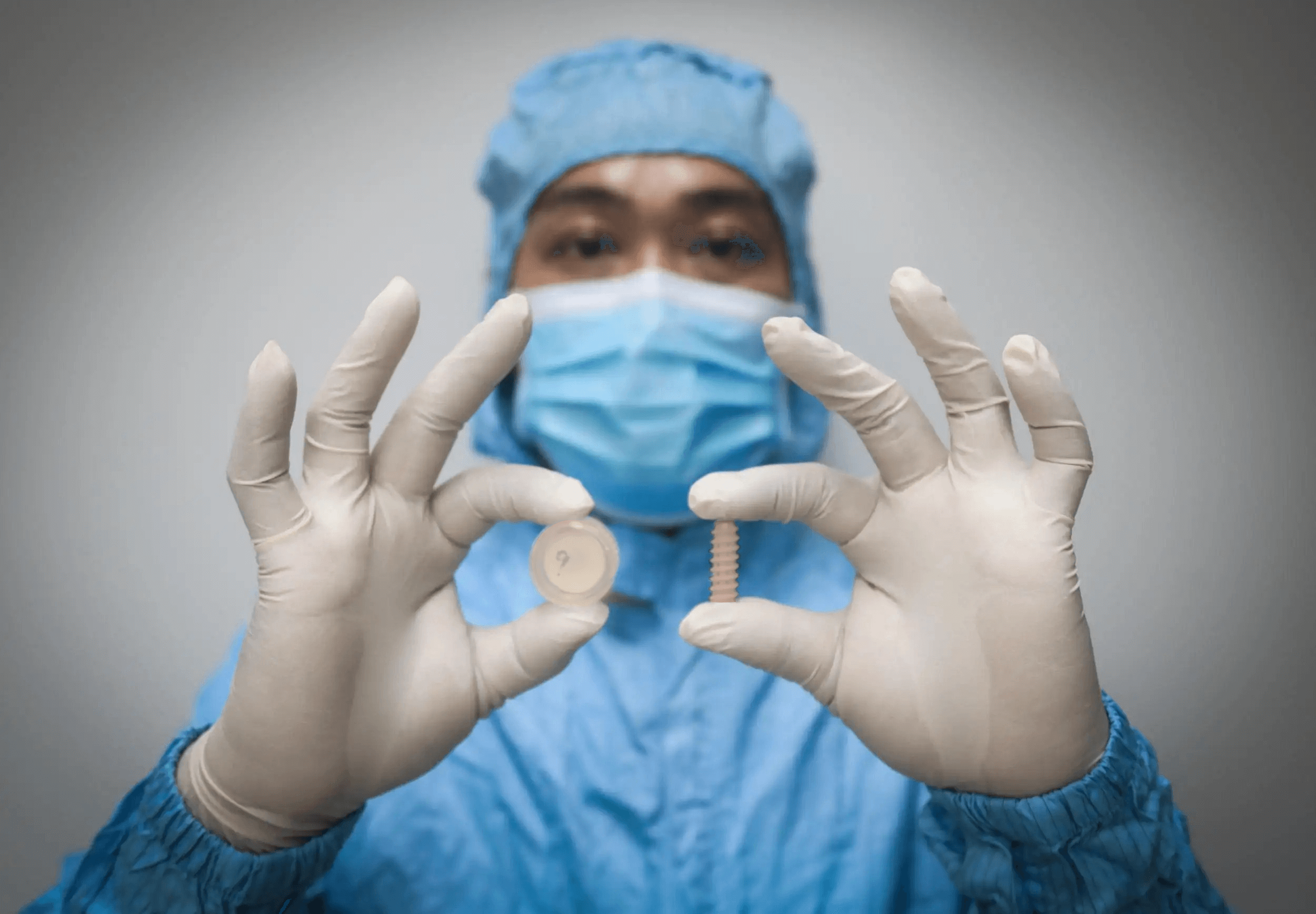
PEEK has great potential in multiple medical fields:
1. Spinal Surgery
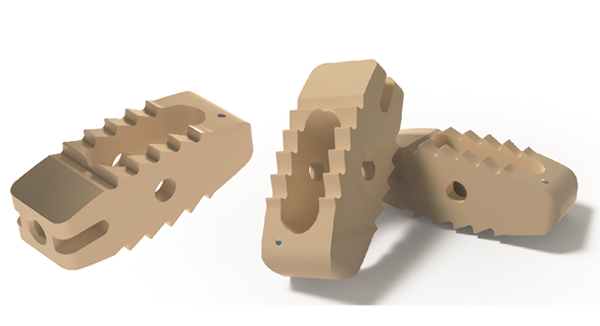
In the field of spinal surgery, medical-grade PEEK has become one of the preferred materials for intervertebral fusion cages. Clinical practice has shown that PEEK spinal implants perform excellently in treating degenerative disc disease, scoliosis, spondylolisthesis, and spinal stenosis. Its unique material properties not only provide the necessary mechanical support but also promote the natural healing of bone tissue.
Modern PEEK spinal implant designs are increasingly precise, with porous structures that significantly promote bone ingrowth and improve the success rate of fusion. Compared with traditional metal implants, PEEK does not produce metal artifacts in imaging examinations, making postoperative CT or MRI assessments more accurate and reliable.
2. Trauma Repair and Joint Reconstruction
In fracture treatment, PEEK-based bone plates, screws, and intramedullary nail systems demonstrate significant advantages. These implants provide stable fixation, and due to their elastic modulus being close to that of cortical bone, they effectively avoid the stress shielding issues commonly seen in traditional metal fixations, thereby reducing the risk of osteoporosis at the fixation site.
In joint replacement, whether it's the tibial insert in knee arthroplasty or specialized components in hip replacement, PEEK offers ideal mechanical performance and durability. Its lightweight properties significantly improve patient mobility, while its excellent wear resistance ensures long-term implant performance.
3. Cardiovascular
In minimally invasive ventricular restoration procedures, PEEK-based tethering systems offer a novel solution for ventricular repair following myocardial infarction. The unique balance of strength and flexibility in this material allows it to withstand the substantial dynamic stress generated by the heart's continuous beating.
4. Dental Applications
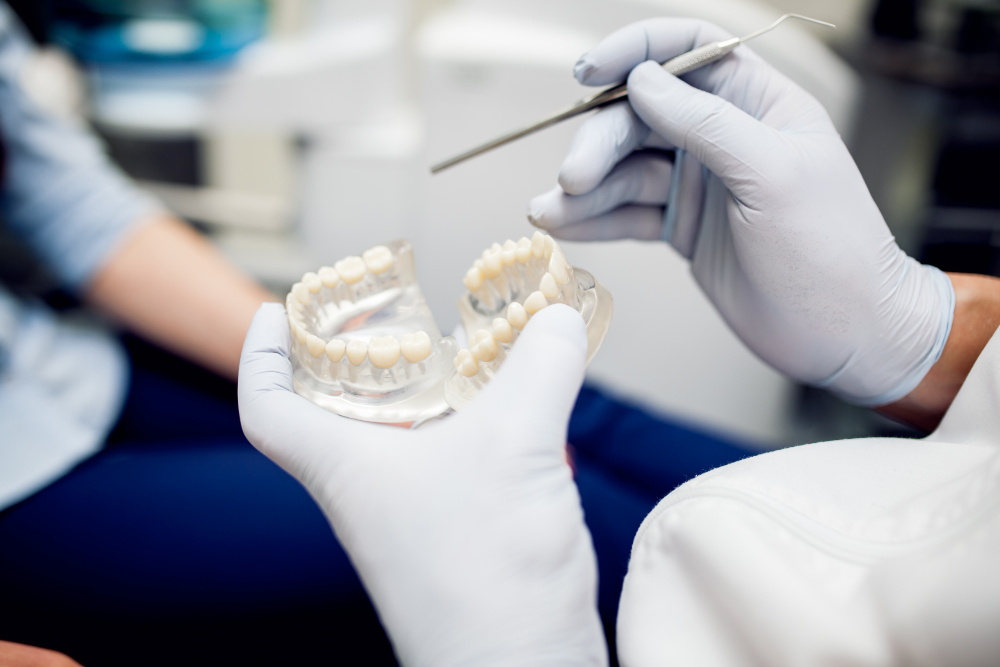
Medical-grade PEEK has gained widespread recognition in dentistry, most commonly used in removable partial dentures. Its outstanding wear resistance and compressive strength make it well-suited to handle chewing and tearing forces.
It should be emphasized that while PEEK demonstrates promising application prospects, it still cannot fully replace metal implants in most areas. Clinical decisions should be made based on the specific case requirements, existing evidence, and economic considerations. The long-term safety and efficacy of medical-grade PEEK still require further validation through high-quality clinical research.
As a novel medical implant material, medical-grade PEEK, with its bone-like elastic modulus, excellent biocompatibility, and imaging compatibility, shows significant value in applications such as spinal surgery, trauma repair, and joint replacement.


